
The Inestimable Dr. Crabbe

The Darlinghurst office of Dr. Cornelius Crabbe.
A small, spry, balding man in his late fifties - a gnome in wire-rimmed glasses. Sharp-tongued. Overdressed for the heat. Shakes his cane at people. Accompanied everywhere he goes by his faithful cattle dog, Rex, which is disfigured by weird fatty lumps on its chest and hind legs.
Curator of Palaeontology at the Australian Museum.
Born into a rich New England family. For some time a professor of political economy at Miskatonic University in Arkham, Massachusetts. Suffered a nervous breakdown in late 1907, during family Christmas, and dropped out of the public eye for several months. Resurfaced as a globe-trotting adventurer the following year.
Widely travelled - famed for his solo ascent of Kanchenjunga, his long sojourn in the Egyptian desert, his three months spent living allegedly with Eskimos in Greenland, his famed descent into the labyrinthine caves below the Appalachian plateau. Estranged from his family. Hasn’t spoken to his wife or kids in twenty years - no idea where they live.
Addicted to information. Like a toddler trying to learn everything he can about the world. Often surprised by apparently mundane phenomena. Displays unexpected familiarity with the most obscure details of fields of research well outside his specialty. Sometimes alludes to discoveries that have not yet been made - black holes, plate tectonics, the smoking-cancer link.
Long ago burnt through his inheritance.
Has a dozen oddball research projects on the go at any given time. Constantly trying to wheedle more funding out of Museum Director Charles Anderson, who loathes and fears him. Dispatches handpicked teams on long field expeditions which don’t always seem to have much to do with palaeontology at all.
Moonlights as a paranormal investigator. Ghosts on outback sheep stations, strange things in the water on remote Pacific islands. All sorts of curious characters pass through his office, trying to sell him exotic artefacts, asking for his help.
Often too busy with his research to leave the museum. Sends agents in his place. That’s where you come in.
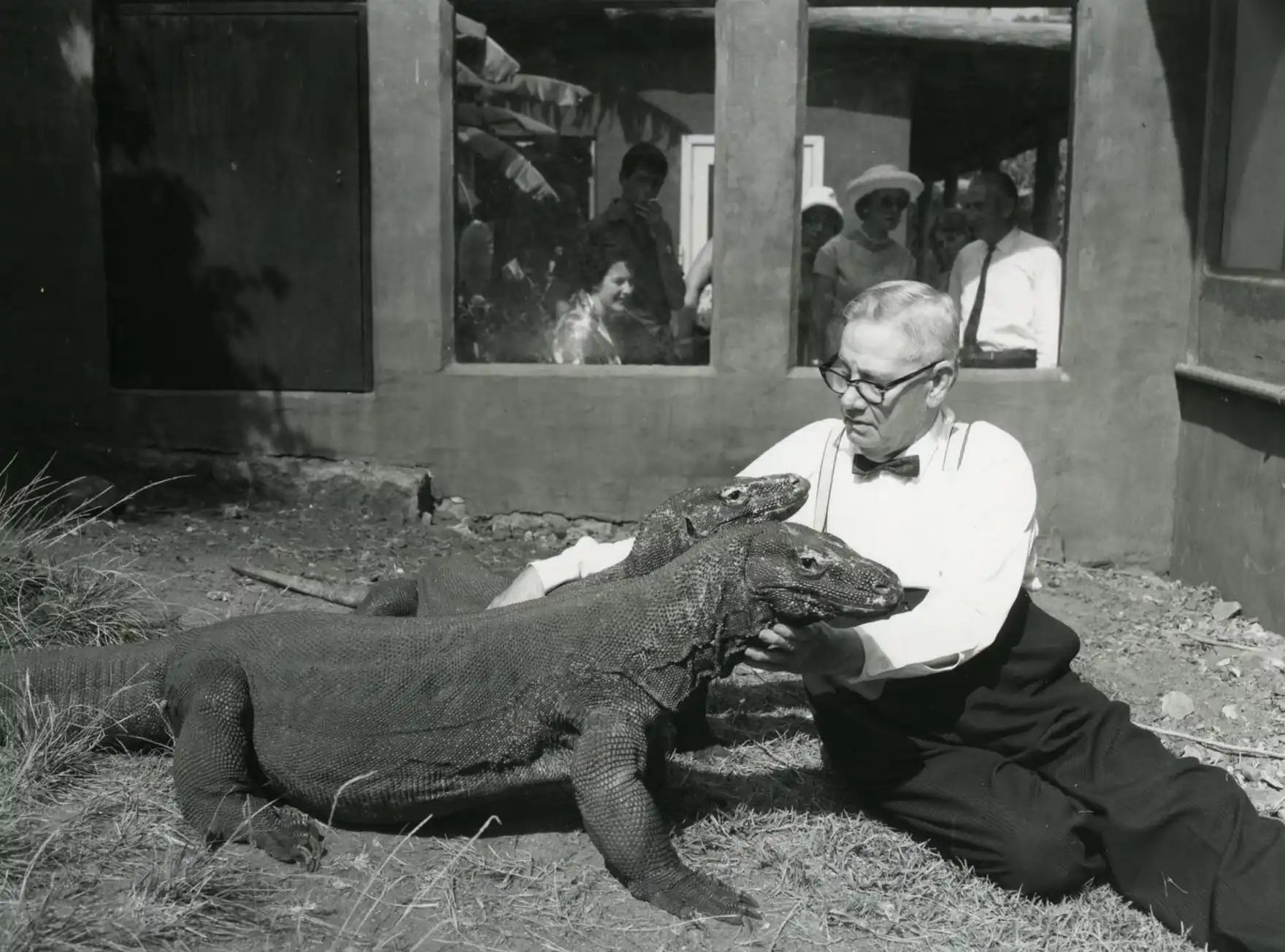
A room on the fourth floor of the Australian Museum, looking out at the Captain Cook statue in Hyde Park.
Desk buried under layers of charts, journals, nature drawings. A map of the Pacific pinned to the wall. A telescope aimed out the window. Pickled snakes in formalin - taipan, carpet python, king brown.
Insects under glass - Christmas beetle, foot-long stick insect, atlas moth. Blue-tongued lizard living in a desk drawer, next to a half-empty bottle of Bundaberg Rum. Weta crawling about. Stuffed echidna. Deep green emu eggs.
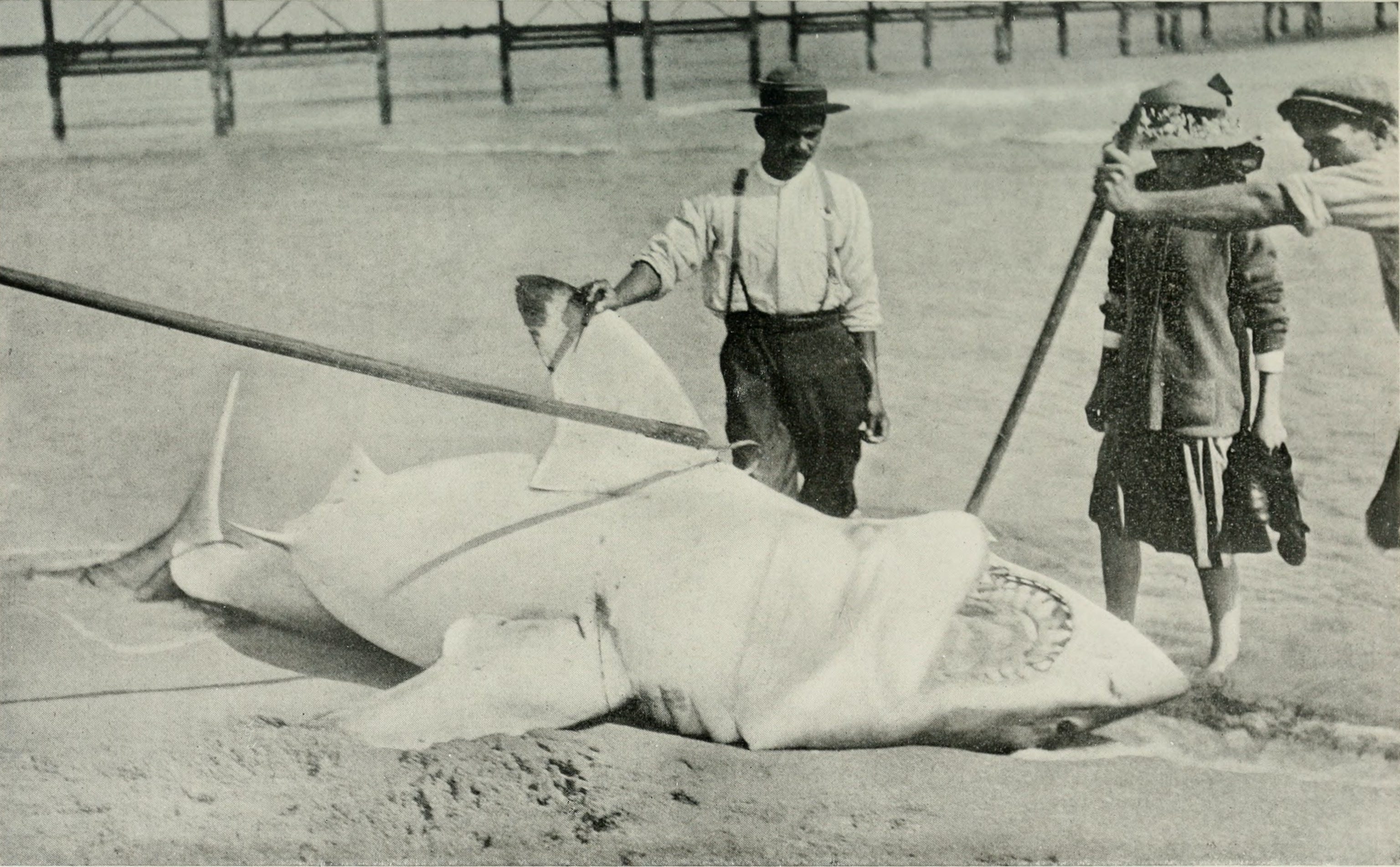
Metre-long crocodile skull from the Proserpine River. Display of predator jaws - quoll, thylacine, great white shark. Tubes of oil paint. New Ireland Malagan masks. Hunting boomerangs. Pointed bones. Papuan war shields.
Arnhem Land didgeridoo leaning in a corner - Crabbe is happy to demonstrate his circular-breathing technique. Faded flag from the Eureka Stockade. Shelf of books on a staggering range of subjects, no two alike - they touch on physics, poetry, comparative religion. The Rubaiyat. The Magic Pudding. Rutherford’s Radioactive Transformations. A signed copy of Shackleton’s Aurora Australis.
Two sketches of naked women by Crabbe’s friend Norman Lindsay - the Whore of Babylon riding the Beast of Revelations and a satyr pursuing a voluptuous dryad through a gum-tree glade. Both pinned to the walls. Fish fossils from Canowindra. Diprotodon teeth. Bushranger death masks - Ned Kelly, William Westwood, Mad Dog Morgan. Turkish tobacco in a kangaroo-scrotum pouch.
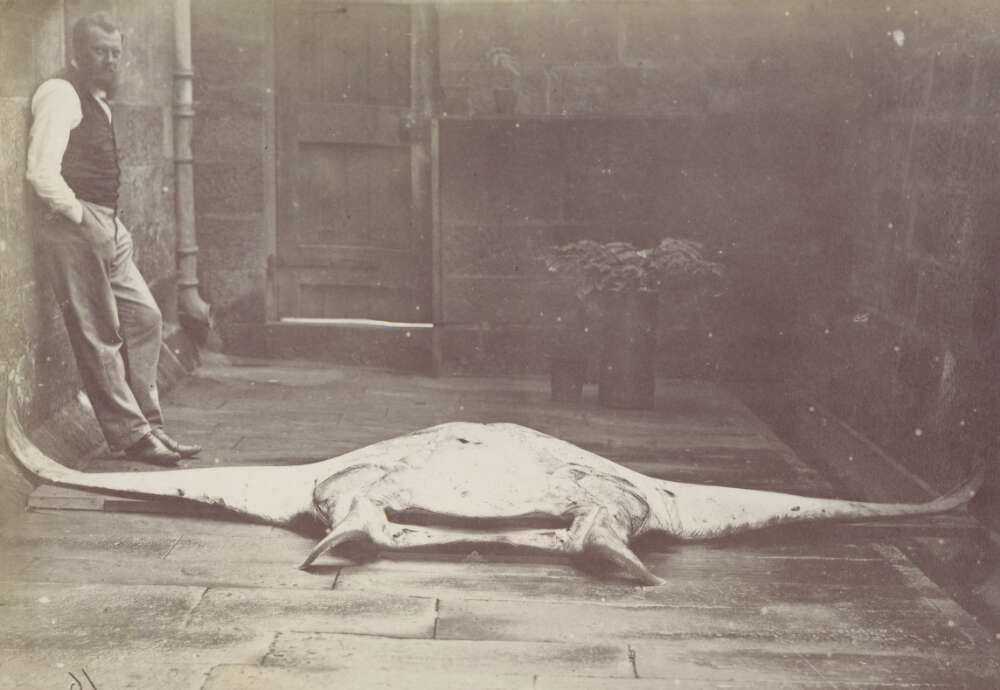
Seashells. Spiders. Octopi. Mineral samples - purple waxy Tasmanian stichtite, orange crocoite crystals from the Adelaide Mine. Octahedral galena crystals from Broken Hill. Rum Jungle torbernite. Ballarat crystalline gold. Convict chains from the First Fleet. An expertly taxidermied boobook owl - perched on a branch, prepared to strike.
Two small paintings - one by Arthur Streeton of a “drought nymph”, one by Clarice Beckett of a car on a wet Melbourne day. Pocket Bible that saved a man’s life at Gallipoli by catching a bullet. Faience scarabs brought back from Cairo by returning soldiers. Sufi prayer beads and an octagonal miniature Koran - the good-luck charms of an Oodnadatta Pashtun camel driver who sold them for the fare back to Afghanistan.
Hawaiian feather cape collected on Cook’s fatal final voyage. Star-shaped crystals found by Douglas Mawson on the peak of Mount Erebus and the Flinders Ranges. Marshall Islands stick charts. Maori greenstone pendants. Hand-sized Micronesian rai stones. Opalised dinosaur teeth from Lightning Ridge.
Idol with cuttlefish head, batwings, rubbery dragon body, carved from unknown slimy stone. Greenish-black. Iridescent flecks. Base etched with cryptic glyphs. Resembles nothing from any known artistic tradition. Taken from a derelict steam yacht found drifting in the ocean far to New Zealand’s east. Crabbe’s favourite paperweight.
The Museum staff are famously an eccentric mob.
Edgeworth “Digger” Davis. Curator of Mineralogy.
Got his start as a surveyor in the Hunter Valley coalfields. Became geology professor at Sydney University. Measured atolls in the Gilbert Islands. Opened up the mines at Radium Hill. Present at the 1906 San Francisco earthquake. Studied Hopi worm cults at the Grand Canyon.
Travelled with Shackleton and Mawson on the Nimrod Expedition - first man to reach the South Magnetic Pole. Almost succumbed to ice madness on the return journey. Set up the Australian Mining Corps to build tunnels on the Western Front.
Optimistic. Bright-eyed. Full of stories. Spends as much time as he can with his wife in a shack in the Blue Mountains, beneath which he has built an underground “worm shrine”. Determined to master all the secrets of the earth.
Thomas Taylor Griffith. Curator of Ethnology.
Travelled with Scott on the Terra Nova expedition. Discovered what he believes to be evidence of a Polynesian city in the McMurdo Dry Valleys, which informed much of his later speculation on the influence of geology on the racial characteristics of man. Has developed a plan to people the interior of Australia with eighty million “broad-headed Mongoloids”, who he believes superior to whites.
Obsessed with the sex lives of Polynesians. Thinks islands are the most erotic landform. Studied the Trobrianders with Malinowski and the Samoans with Margaret Mead. Conducts sexual experiments with Woolloomooloo prostitutes - wants to get one pregnant by a baloma, a spirit of the dead, in the hopes of resurrecting the lost Antarctic race. So far only monsters and miscarriages have been the result.
Anthony Musgrave. Curator of Entomology.
Spider expert. Reclusive. Claustrophilic. Despises the light. Dim labyrinth of glass cases holding redbacks, funnelwebs, tarantulas, orb weavers, huntsmen and a dazzling array of other colourful arachnids, including some as yet unknown to science. Thinks they’re a superior species. Insists their dangers are overrated. Collects arachnid myths - Anansi, Spider Grandmother, the Jorōgumo. Writing a children’s fairytale book.
Joyce Allan. Curator of Malacology.
Wall-eyed. Mumbles. Gifted artist. Pays good money for exotic shells. Lives among strange tentacled things in jars. Raises and grooms sea hares - treats them as her babies. Goes on long collecting expeditions to the Great Barrier Reef. Composing a monograph about the role of cephalopods in Pacific mythology - Hawaii’s Kanaloa, Te Wheke-a-Muturangi of New Zealand, the Devilfish of the Pacific Northwest. Despises birds.
Tom Ireland. Curator of Ornithology.
Raucous. Enthusiastic to the point of aggression. Likes a drink. Sponsored by the Rothschilds to live alone in the Kermadec Islands for seven months, studying shearwaters and petrels. In the habit of screaming at his illustrator wife, who is almost completely deaf. Torments Joyce - steals her sea hares and feeds them to magpies in the street. Was once her assistant. Covets her funding. Bird-of-paradise feathers in his hair.
Gilbert Whitley. Curator of Ichthyology.
Plump. Jovial. Loves his fishy friends. Wears colorful ties and unusual hats. Gives engaging public lectures. Thinks he’s funny. Writes comic “underwater operas” in the style of Gilbert and Sullivan - compels his long-suffering assistants to play along. Plays the piano. Keeps stonefish, lungfish, weedy sea dragons in bubbling aquaria. Often to be found with Ireland and Musgrave around midday in the lively saloon bar of the Oxford Hotel.
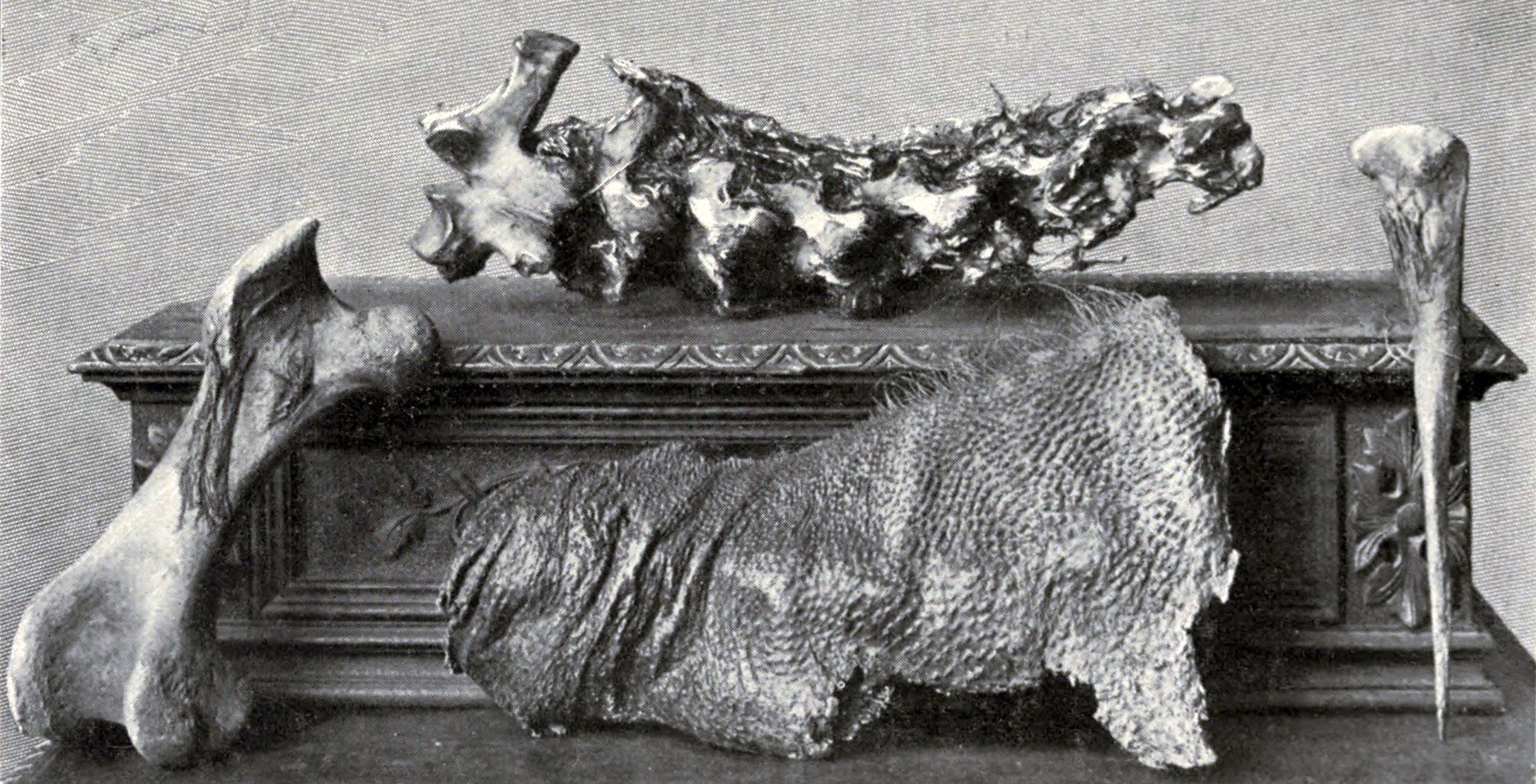
In a dusty storage room in the Museum basement there’s a fossilised crab claw. A metre long. Dug up by Douglas Mawson as a boy in the Emu Bay Shale of Kangaroo Island, along with other curious Cambrian fossils. Worm segments. Threadlike tentacle masses. Three-lobed paws.
This is a component of Dr. Crabb’s former body.
He is a Yithian - a race of time-travelling psychic aliens who established a civilisation on Earth during the Cambrian period, and who explore the past and future by projecting their consciousnesses into the bodies of other sapient beings. His true name is, approximately, Ixabrax.
He is a secret agent and a spy. His job is to wage Yithian time war against their ancient enemies - the Elder Things, an indigenous Earth species of sapient blastoids with cities buried under the Antarctic icecap, and the flying polyps, an extraterrestrial fungus who colonised the planet during the Ediacarian period.
He believes Sydney to be infected with Elder Thing agents. He’s probably right.


Working as a Yithian's field agents is an INCREDIBLY strong campaign pitch. You're not just investigators, you're footsoldiers in a secret time war. Have to agree that this is my favorite patron post so far.
Think this is my favourite establishing-employer post so far, if only because I can see a whole campaign just taking place in the walls of this institute, where the lines between cultist-madness and normal eccentricity have faded away, without ever having to leave.